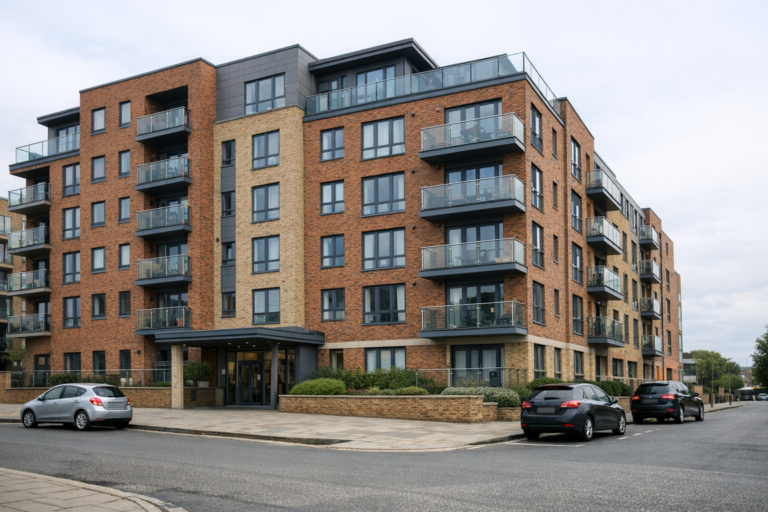
Valuation of Houses in Multiple Occupation (HMO)

Our experienced team undertake valuations of Houses in Multiple Occupation (HMO) for secured and non-secured lending purposes, including providing advice when development is anticipated.

HMO Valuations

Specialist valuation advice for Houses in Multiple Occupation across the South West.

Valuations of Houses in Multiple Occupation

Houses in Multiple Occupation are a specialist form of residential investment. Their value can be influenced by rental income, occupancy, location, configuration, planning status, licensing requirements and compliance with local authority standards.
 
Our RICS Registered Valuers provide independent HMO valuations for lenders, property owners, investors, developers and professional advisers.
 
Operating from offices in Truro, Plymouth, Exeter and Bristol, we combine detailed knowledge of local residential markets with an understanding of the regulatory and investment considerations affecting HMOs.
 
We provide HMO valuations for:
 
  • Secured lending;
  • Acquisition and disposal;
  • Proposed conversions and refurbishment;
  • Taxation and probate;
  • Pension and financial reporting purposes;
  • Portfolio reviews; and
  • Matrimonial and other property disputes.

What can affect the value of an HMO?

Demand can vary considerably depending on proximity to universities, hospitals, employment centres, public transport and local services.
 
The depth and nature of tenant demand will influence rental levels, occupancy and the attractiveness of the property to investors.
 

.

An established lawful HMO use and an appropriate licence can support value and marketability. Missing, uncertain or restrictive consents may reduce the pool of potential purchasers and lenders.
Room sizes, en-suite facilities, communal space, natural light, storage and the general standard of accommodation all affect tenant demand.
 
A layout that maximises the number of rooms but provides poor-quality accommodation may not achieve the strongest or most sustainable value.
The headline rental income does not represent the property’s net return. The valuation must consider the costs associated with operating the HMO and whether the current income is sustainable.
The cost of repairs, improvements or compliance works can have a material impact on value. This is particularly relevant where fire safety measures, amenity standards or licence conditions have not been fully addressed.
The property’s value as a conventional dwelling, converted flats or another permitted use may provide an important comparison or alternative use.
 
This is particularly relevant where the investment value as an HMO is not significantly above the property’s underlying residential value.

HMO Valuations for Secured Lending

We act for a range of high street, specialist and short-term lenders in connection with HMO finance.
 
The scope of a lender’s valuation will depend on its instructions. In addition to Market Value, we may be asked to provide opinions subject to particular assumptions, including:
 
  • Vacant possession;
  • Continuation of the existing HMO use;
  • Completion of proposed works;
  • Receipt of the necessary planning permission or licence; or
  • A specified marketing period.
The report will consider the property’s suitability as security, marketability and any matters that may materially affect value.

HMO Acquisition & Investment Advice

We provide independent valuations to investors considering the purchase or disposal of an HMO.
 
Our advice can help clients assess whether the proposed price is supported by the property’s condition, rental income, operating costs, planning status and local market evidence.
 
Where an investor is considering a conversion, we recommend obtaining advice before committing to the purchase or commencing works. This allows the existing property, proposed scheme, development costs and potential completed value to be considered together.

Information Required for an HMO Valuation

The information required will depend on the property and purpose of the valuation, but may include:
 
  • Current floor plans;
  • A schedule of bedrooms and communal accommodation;
  • The HMO licence and any conditions;
  • Planning permissions or a certificate of lawful use;
  • Tenancy agreements;
  • A tenancy and rent schedule;
  • Details of deposits and arrears;
  • Recent operating expenditure;
  • Utility and Council Tax information;
  • Fire risk assessments and safety certificates;
  • Details of management arrangements;
  • Proposed plans and specifications;
  • A schedule and cost of proposed works; and
  • Details of any known compliance or enforcement issues.
Providing this information at the beginning of the instruction can help avoid delays and enable us to understand the property’s circumstances fully


Key Contacts

Valuations News

Valuation FAQs

A property will generally be an HMO if it is occupied by at least three people who form more than one household and share facilities such as a kitchen, bathroom or toilet.
 
The statutory definition can also include certain buildings converted into self-contained flats. Whether a particular property is an HMO will depend upon its occupation and individual circumstances.

Use Class C4 relates to a small HMO for use by up to six occupants. HMOs with seven or more occupants are considered large HMOs and are classified as Sui Generis, subject to additional regulations including requirements for good acoustics and a robust fire compliance strategy. 

An Article 4 Direction allows a local planning authority to remove specified permitted development rights within a defined area.
 
Where an Article 4 Direction removes the permitted development right to change a property from Use Class C3 to Use Class C4, planning permission will usually be required before it can lawfully be used as a small HMO.
 
This can restrict the creation of new HMOs and may affect the value and marketability of properties with an established lawful HMO use. However, an Article 4 Direction does not automatically mean that every existing HMO has the necessary planning status.
 
The lawful use of the property should be confirmed through the available planning history, relevant permissions or other appropriate evidence.


The change of use of a property from Use Class C3 to C4 is accepted under permitted development. In areas where an Article 4 direction is in place, a formal planning application is required. The change of use from C3 to Sui Generis also requires a formal planning application. 

There is no single valuation method that is appropriate for every HMO.
 
Some HMOs are bought and sold principally as residential investments. In these cases, the valuation may be informed by the property’s rental income and an analysis of comparable investment transactions.
 
The valuer will consider whether the existing income is sustainable and make appropriate allowances for matters such as:
 
  • Vacancies and tenant turnover;
  • Management;
  • Repairs and maintenance;
  • Utilities paid by the landlord;
  • Council Tax;
  • Cleaning and gardening;
  • Compliance costs; and
  • Other irrecoverable expenditure.
Where sufficient evidence is available, the property may also be assessed by comparison with sales of similar HMOs.
 
For smaller HMOs in predominantly owner-occupied residential areas, the value may be closely linked to that of the property as a conventional dwelling. The valuer will consider whether adaptations made for HMO use add to or detract from the property’s underlying residential value.
 
The final approach will reflect how the property would be regarded by purchasers in its particular market.

Vickery Holman value HMOs for a variety of purposes including secured lending, acquisition and disposal, tax and portfolio management. We also provide advice where conversion works are anticipated. 

No. Mandatory licensing generally applies in England to HMOs occupied by five or more people forming more than one household.
 
However, a local authority may introduce an additional licensing scheme covering smaller HMOs. Owners should check the requirements applying in the relevant local authority area.
No. Planning and licensing are separate regulatory regimes.
A property can have an HMO licence but still lack the necessary planning status. Equally, planning permission does not remove the need to obtain a licence where the licensing criteria are met.
Use Class C4 generally covers shared houses occupied by between three and six unrelated individuals.
 
An HMO occupied by more than six people will generally be treated as a sui generis use. The precise planning position should always be confirmed with the relevant local planning authority or a planning consultant.
Not automatically.
 
An Article 4 Direction may restrict the creation of new HMOs and can therefore reduce supply. An existing property with an established lawful HMO use may benefit from this scarcity.
 
However, value will still depend on the property’s location, accommodation, income, condition, licence, planning status and demand from investors.
Yes. The underlying value of the property as a conventional dwelling may be an important consideration, particularly for smaller HMOs or properties in areas dominated by owner-occupiers.
 
The valuer may compare the value of the property in its existing HMO use with its value under an appropriate alternative-use or vacant-possession assumption.
Yes. We can value the property in its existing condition and, where required, provide an opinion on the special assumption that the proposed works have been completed.
 
We will usually require plans, a detailed specification, the proposed room schedule, anticipated rents, cost information and evidence of the relevant planning and licensing position.

Speak to our HMO valuation team

Whether you are purchasing, refinancing, converting or reviewing an HMO investment, our team would be pleased to discuss your requirements.
 
Contact us to speak with an RICS Registered Valuer or request a quotation.